
SCOPE / 01
What You Can Discuss with Us About Grease Trap Cleaning
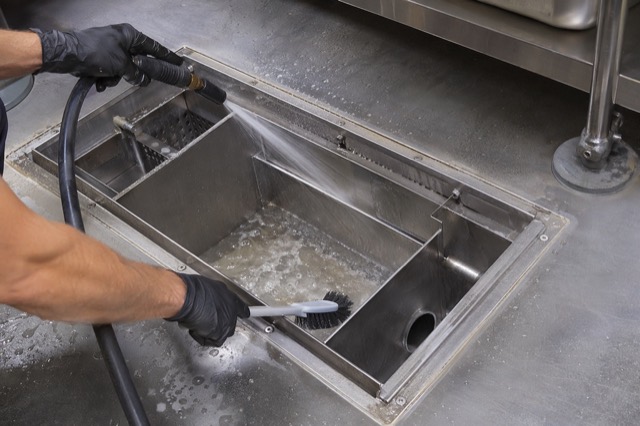
For grease trap cleaning, we clarify the scope based on the items below. The specialists involved and the steps for assessment vary depending on the condition of the equipment and the facility.
- Confirm the scope for cleaning grease, sludge, residue, and slime inside the tank
- Check the condition of the basket, lid, and tank area
- Division of work for drain openings, drain grates, and kitchen floors
- Organizing service frequency, site conditions, and completion reports across multiple locations
BEFORE ESTIMATE / 03
Information to Share Before Requesting an Estimate
The information needed for grease trap cleaning—such as an on-site assessment, photos, or equipment details—depends on the equipment and issues involved. We will advise you about any items you are unsure of after the initial consultation.
- Tank location, size, and shape
- Odor, drainage condition, and when the issue began
- Routine Cleaning and Date of Previous Service
- The route for carrying collected items out and the store or facility rules
Drain pipe cleaning, work on building equipment, and the transport or disposal of sludge, waste oil, and other materials are not necessarily included. Confirm the contracted scope, collection and disposal methods, and costs for each job.
When reviewing an estimate for grease trap cleaning, please confirm the areas covered, included and excluded work, schedule, cost, and post-work reporting method.
QUESTIONS / 04
Questions About Grease Trap Cleaning
What if the odor persists after cleaning?
Other drains, floor drains, pipes, water seals, or building equipment may also be involved. When preparing an estimate, we identify the areas to be checked and advise you about any additional work required or checks to make with the facility manager.
Can I request service for multiple locations at once?
You can discuss the locations, region, type of trap, and preferred timing with us. We’ll confirm the store and work conditions and advise you individually on scheduling and whether the work can be carried out.